Skip to content

Understanding the Mold Remediation Process
Mold is a common issue in many homes and buildings. It thrives in damp, humid environments and can spread quickly.
Understanding mold remediation is crucial for maintaining a healthy living space. This process involves removing mold and preventing its return.
Mold can cause health problems, including allergies and respiratory issues. It can also damage property if not addressed promptly.
The first step in mold remediation is a thorough mold inspection. This helps identify the extent and type of mold present.
Professional mold testing can determine the specific mold species and concentration levels. This information guides the remediation process.
Preventive measures, like anti mold painting, are essential to keep mold at bay.
What Is Mold and Why Is It a Problem?
Mold is a type of fungus that grows in multicellular filaments known as hyphae. It plays an important role in the ecosystem by decomposing organic material.
However, when mold enters our homes, it becomes a significant problem. Indoor mold thrives in moist, warm environments and can spread rapidly.
Mold growth inside a home can lead to structural damage over time. Wooden surfaces, drywall, and other materials are susceptible to mold colonization.
In addition to property damage, mold poses various health risks. These include respiratory problems, allergies, and skin irritation.
To effectively manage mold in your home, it’s important to recognize the factors that contribute to its growth:
- High humidity levels
- Water leaks or spills
- Poor ventilation
- Flooding or excessive moisture
A proactive approach is necessary for mold prevention. This includes fixing leaks and ensuring proper ventilation.

Health Risks Associated with Mold Exposure
Mold exposure can affect individuals differently based on their health and sensitivity. Everyone can be at risk, but some groups are more vulnerable.
People with asthma or allergies might notice aggravated symptoms. Breathing in mold spores can lead to coughing, sneezing, and wheezing.
Certain mold types, like black mold, produce mycotoxins, which are particularly harmful. Long-term exposure to these toxins can lead to chronic health issues.
Children and the elderly are generally more sensitive to mold. Those with weakened immune systems also fall into the high-risk category.
Health complications from mold exposure can include:
- Respiratory issues like asthma attacks
- Skin rashes and irritation
- Eye irritation or redness
- Headaches or migraines
To mitigate these risks, tackling mold growth promptly is crucial. Being aware of these effects can help in managing and preventing mold-related health problems.

Signs You Need Mold Remediation
Recognizing when mold remediation is necessary can prevent bigger problems. Early detection is key to avoiding extensive damage.
One of the first signs of mold presence is a persistent musty odor. This unpleasant smell may linger in specific areas of your home.
Visible mold growth is an obvious sign that action is needed. Mold can appear as black, green, or white patches on walls or ceilings.
Water damage is another indicator. Leaky roofs or pipes provide the moisture mold needs to thrive.
Common signs indicating the need for mold remediation include:
- Musty odors
- Visible mold patches
- Water stains or recent water damage
- Increased allergic reactions among occupants
Addressing these issues promptly can help maintain a healthy home environment.

The Importance of Mold Inspection and Testing
Mold inspection and testing are vital steps in the remediation process. They help determine the extent of mold presence and identify specific types of mold.
During a mold inspection, professionals assess your home to locate hidden mold. This process often involves checking behind walls, under carpets, and in ducts.
Mold testing follows the inspection. Samples of air and surfaces are collected to measure mold spore concentrations. Understanding these levels is crucial for effective remediation.
Testing reveals the types of mold present in your home. Some mold varieties pose more health risks than others and may require specialized treatments.
Key benefits of mold inspection and testing include:
- Identifying hidden mold growth
- Measuring mold spore levels
- Determining mold species present
- Guiding effective remediation strategies
Investing in professional mold inspection and testing can protect your property and health. This proactive approach ensures that remediation efforts will be thorough and effective.
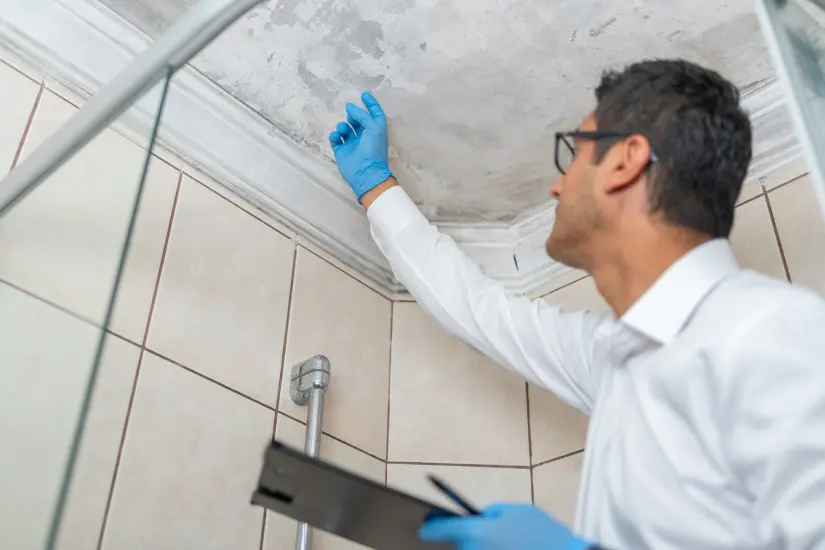
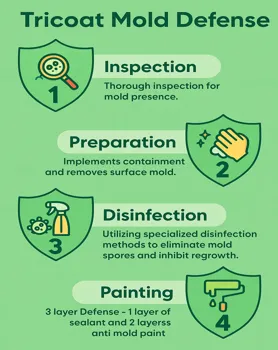
Step-by-Step Mold Remediation Process
The mold remediation process involves several crucial steps designed to efficiently remove and prevent mold. It is essential to follow these steps meticulously for effective results.
First, a thorough mold inspection is conducted to understand the extent and areas affected. Then, detailed mold testing is performed to identify mold types and concentration levels.
Containment and air filtration ensure mold spores do not spread to unaffected areas during remediation. This step helps maintain indoor air quality.
Mold removal and cleaning are performed using specialized equipment and cleaning agents. Professionals ensure complete removal to prevent recurrence.
Restoration and repairs are the final steps. They return your space to its original condition and prevent future mold growth.
Key steps involved in mold remediation:
- Inspection and assessment
- Testing and identification
- Containment and air filtration
- Removal and cleaning
- Restoration and repairs
Choosing professional services offers advantages like expertise and equipment. Mold remediation companies have trained personnel who can handle complex situations.
The remediation process is designed to not only remove mold but also address its root causes. It tackles moisture problems that often lead to mold growth.
Step 1: Mold Inspection and Assessment
The remediation process begins with a detailed inspection. Professionals search for mold in visible and hidden areas of your home.
Inspectors look for signs such as water stains and musty odors. These indicators often reveal where mold is hiding.
Upon finding mold, they assess the extent of the damage. This step is crucial for planning the following stages of remediation.
Key aspects of mold inspection:
- Identifying visible and hidden mold
- Detecting moisture sources
- Assessing damage extent
A thorough inspection provides a roadmap for effective remediation. Early detection can save time and reduce costs.
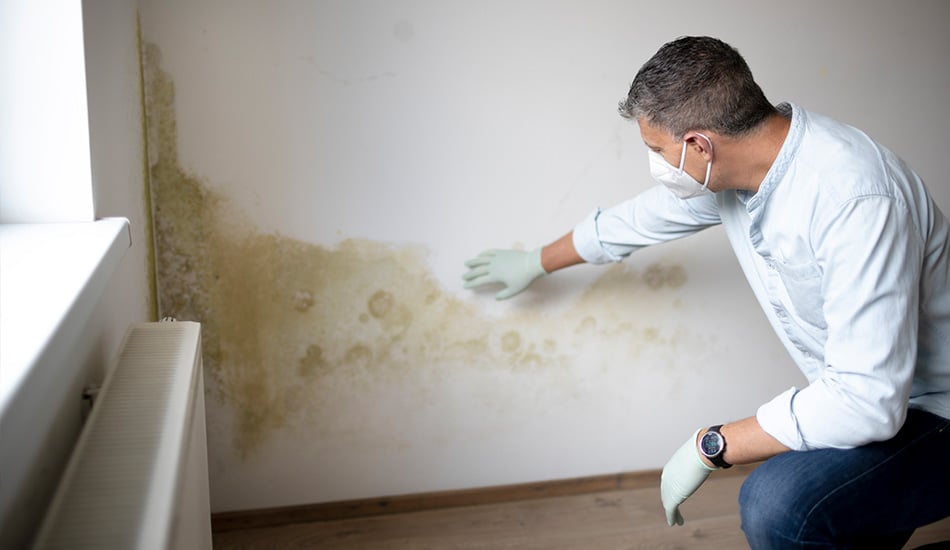
Step 2: Mold Testing and Identification
Mold testing follows the initial inspection. Samples of air and surfaces are collected to identify mold types and measure concentrations.
The tests reveal specific mold species, some of which may pose significant health risks. Understanding the type helps tailor removal strategies.
High mold levels indicate severe contamination. This knowledge guides the necessary extent of remediation efforts.
Key components of mold testing:
- Air and surface sampling
- Identifying mold species
- Assessing contamination levels
Testing is essential to tailor remediation effectively. Professional testing offers precision and reliability in determining mold presence.

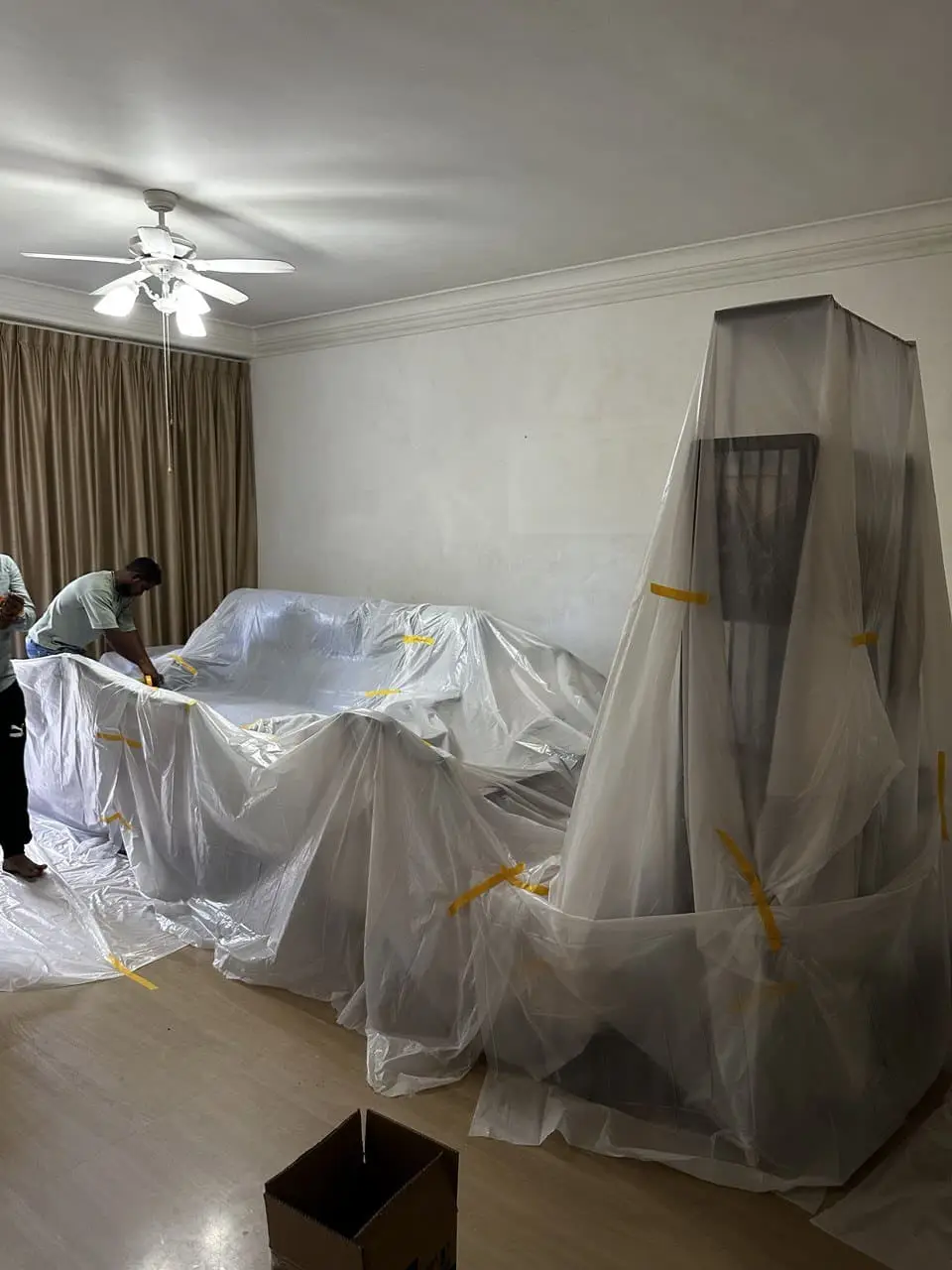
Step 3: Containment and Air Filtration
Containment prevents the spread of mold spores during removal. Professionals use barriers to isolate affected areas.
They employ HEPA filters for air filtration. These filters capture tiny spores, improving air quality and protecting unaffected spaces.
Proper containment and filtration ensure that mold does not spread beyond designated zones. These steps are critical for safe remediation.
Key practices in containment and air filtration:
- Setting up physical barriers
- Using HEPA filters
- Managing air movement
Safety is a priority during this phase. Professional containment ensures effective protection of both the environment and occupants.
Step 4: Mold Removal and Cleaning
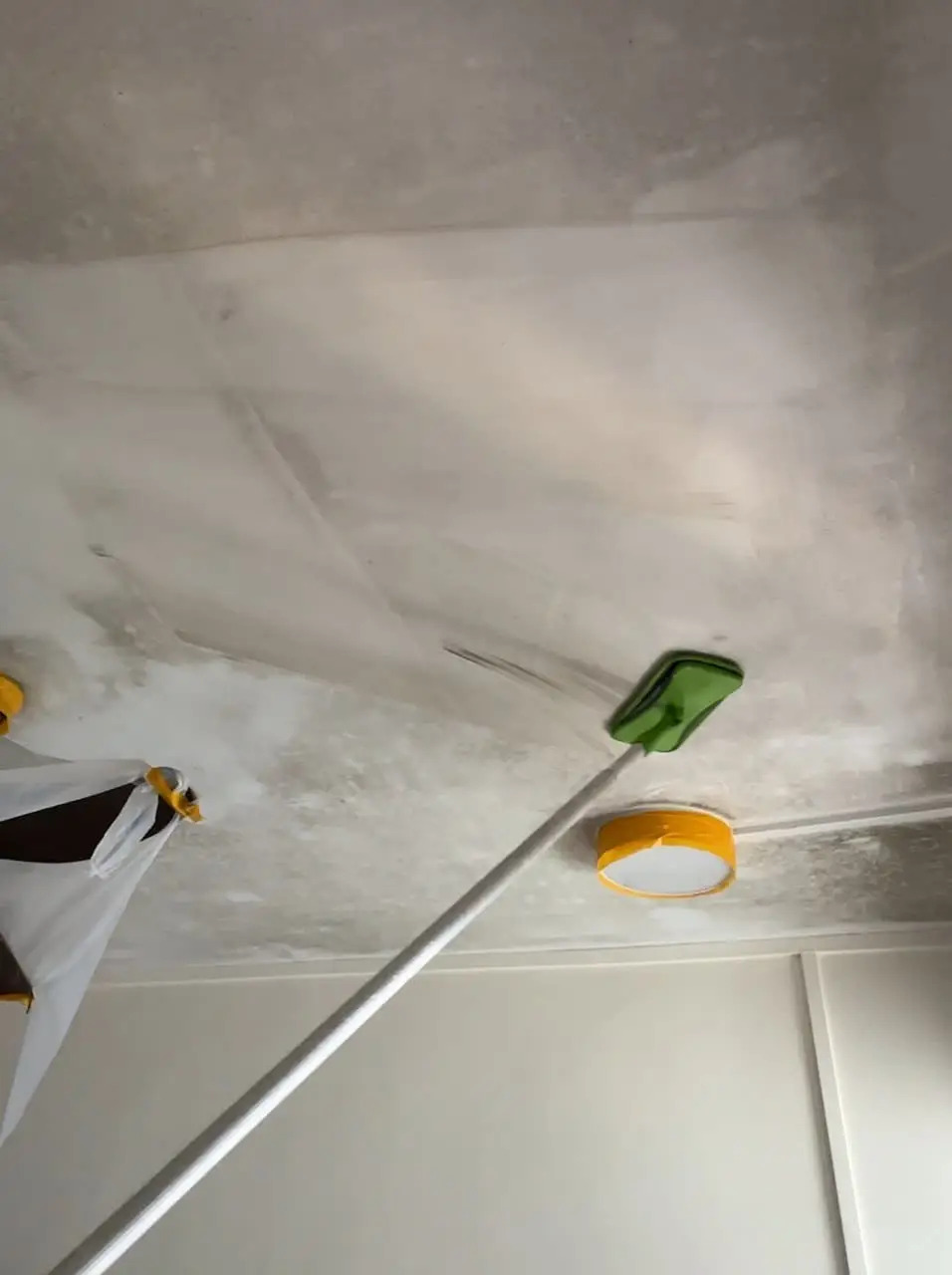
Mold removal and cleaning are central to the remediation process. Professionals use specialized cleaning agents and tools to eliminate mold.
The process includes surface cleaning and, if necessary, removal of mold-infested materials. Thorough cleaning helps remove all mold spores.
Professionals prioritize non-toxic cleaning agents that are effective yet safe for occupants. Mold removal is followed by sanitizing the area to prevent regrowth.
Core tasks in mold removal and cleaning:
- Cleaning affected surfaces
- Removing mold-infested materials
- Sanitizing and disinfecting
This step is labor-intensive but crucial. Proper removal safeguards against mold recurrence and improves indoor air quality.
Step 5: Restoration and Repairs
After mold removal, restoration begins. This step ensures your home returns to its pre-mold condition.
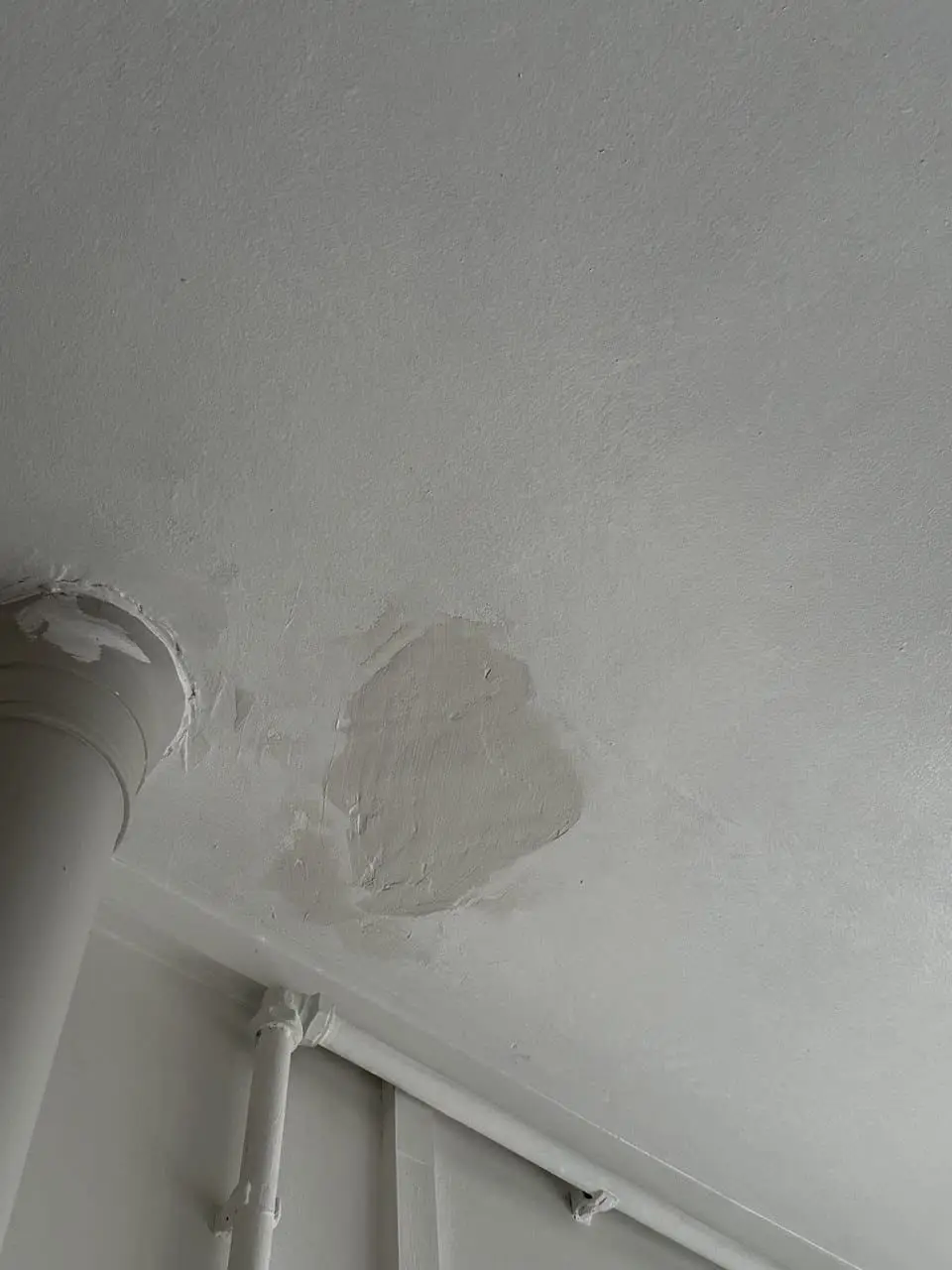
Repairs may include replacing drywall, painting, or fixing leaks that contribute to mold growth. Restoration prevents future mold issues by addressing root causes.
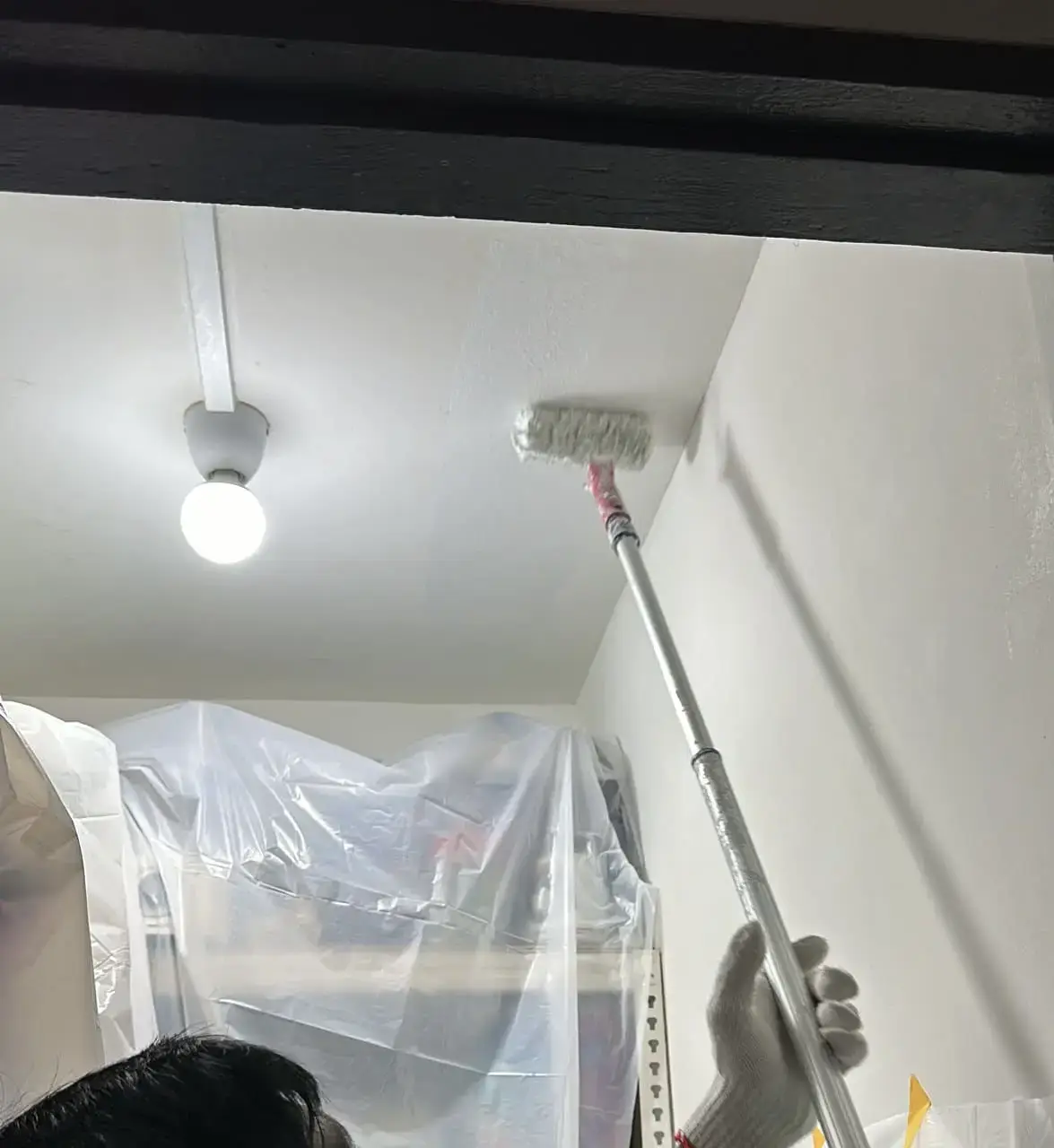
Using materials like anti mold paint can further fortify your home against mold. Restoring your space is essential for long-term mold prevention.
Elements of restoration and repairs include:
- Repairing structural damage
- Repainting with anti mold materials
- Fixing moisture problems
Effective restoration ensures no residual damage remains. This step completes the remediation process, safeguarding your home for the future.
Professional vs. DIY Mold Remediation
Deciding between professional and DIY mold remediation depends on the mold infestation’s size and severity. Small mold patches may be manageable for a dedicated homeowner, but larger infestations often require professional intervention.
Professional services bring expertise and access to specialized equipment. They ensure complete mold removal and prevent its return, enhancing your home’s safety and value.
DIY remediation might involve less initial cost, but it comes with risks. Incomplete removal or improper handling can lead to recurring problems or health issues.
Factors to consider when choosing between professional and DIY:
- Size and spread of mold
- Personal capability and resources
- Potential health risks
- Long-term effectiveness
Professionals not only remove mold but also address underlying issues, like moisture control. This comprehensive approach provides peace of mind that DIY efforts often lack.
Preventing Mold Recurrence: Anti Mold Painting and More
Preventing mold from returning is crucial after a remediation process. Mold thrives in damp and poorly ventilated environments, so controlling moisture is key.
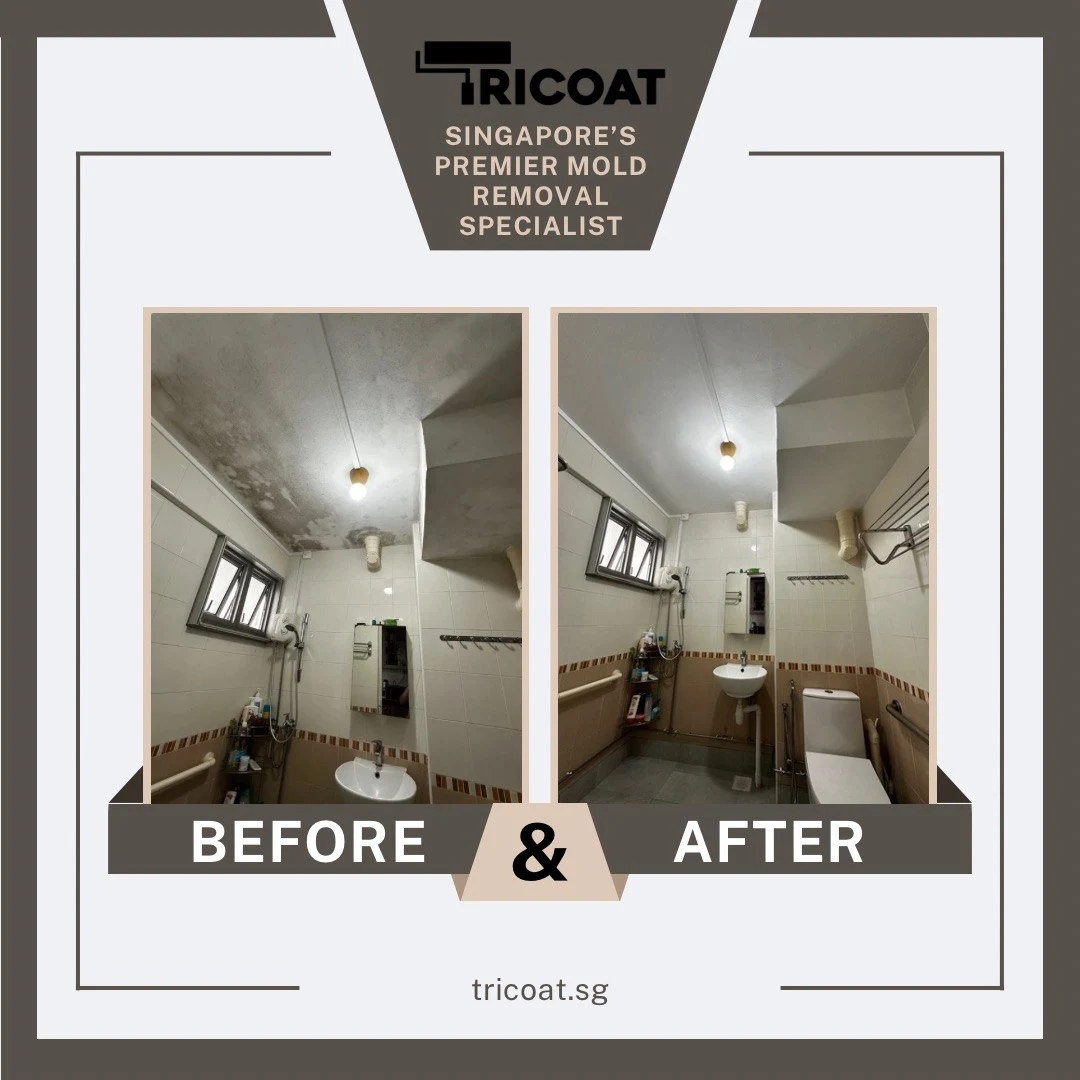
Anti mold painting is an effective preventive measure. This type of paint contains fungicidal additives that combat mold growth on walls and ceilings, making it a smart choice for vulnerable spaces.
Beyond painting, there are other strategies to consider:
- Ensure good ventilation in kitchens and bathrooms
- Install dehumidifiers in humid areas
- Repair leaks promptly to prevent moisture buildup
Regular home maintenance and inspections can also help catch potential problems early. Keeping your home dry and well-ventilated significantly reduces mold growth chances. Educating all household members about these preventive measures can ensure everyone contributes to a healthier home environment.
Cost Factors and Insurance Considerations
The cost of mold remediation varies widely and depends on several factors. The extent of the infestation and the area affected can influence the cost. Accessibility of the mold and the materials requiring removal also play a role in determining expenses.
Insurance might cover remediation costs, but it often depends on the cause. Sudden and accidental occurrences, like pipe bursts, might be covered. However, issues stemming from neglect are typically excluded.
When considering insurance, check your policy details for mold coverage specifics. It’s often beneficial to consult with your provider to understand what’s included.

Frequently Asked Questions About Mold Remediation
Mold remediation often raises many questions. Homeowners often wonder about the process and its effectiveness. Here are a few common queries and their answers.
- Is mold remediation expensive? Costs vary based on infestation size and location.
- Can I stay home during remediation? Small jobs might allow you to stay. Larger infestations may require temporary relocation.
- How long does the process take? Duration depends on the severity. It can range from a few days to a week.
Proper understanding of mold remediation ensures effective treatment and prevention. Consult professionals to address any additional concerns.
Conclusion: Ensuring a Mold-Free Home
Mold remediation is key to maintaining a healthy home. Effective remediation not only removes existing mold but also prevents future growth.
Take proactive steps to safeguard your living space. Regular inspections, moisture control, and anti mold painting help keep mold at bay. Investing in these measures ensures peace of mind and a safe environment.